Organic Face Serum: The Honest Buyer's Guide for Indian Skin
Published 4 February 2026
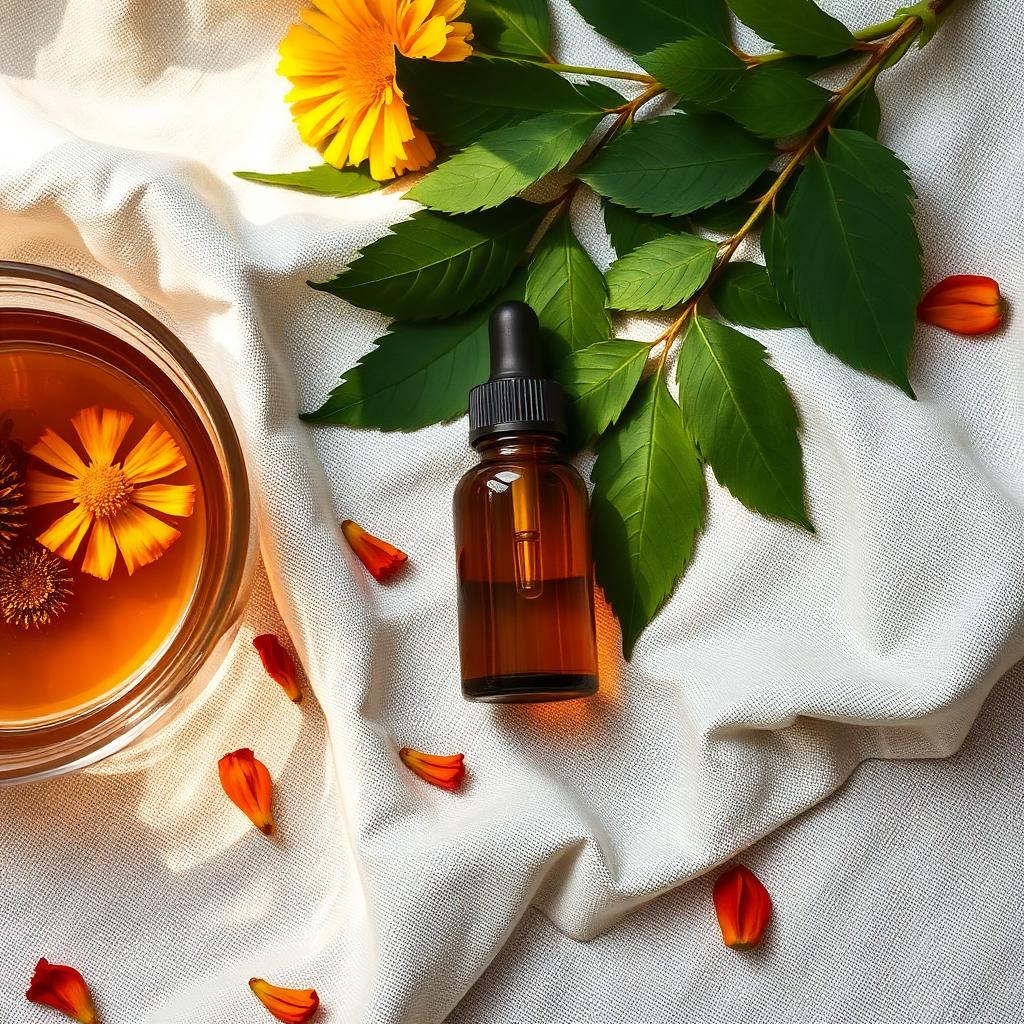
What 'organic face serum' actually means
An organic face serum is a lightweight, concentrated leave-on treatment formulated with plant actives grown without synthetic pesticides or fertilisers. The serum format delivers a higher dose of actives than a moisturiser because there's no thick emulsifier system diluting the formula.
In India, look for 'India Organic' (NPOP) or USDA Organic certification on the bottle — not just the word 'natural', which has no legal definition.
Multani Mitti — Pure Fuller's Earth Clay
Brightening clay face pack · 100g
Ingredients that genuinely earn their place
Vitamin C (L-ascorbic acid, 8–15%)
Brightens, fades pigmentation and supports collagen. Use in the morning under sunscreen.
Niacinamide (4–10%)
Calms redness, reduces visible pores and balances oil — well-tolerated by Indian skin types prone to congestion.
Hyaluronic acid
A humectant that holds water in the skin. Apply on damp skin for best results in dry-winter cities.
Plant oils (rosehip, jojoba, kumkumadi)
Closer to traditional Ayurvedic oils. Use at night; avoid layering heavy oils under sunscreen.
What to avoid in an 'organic' serum
Watch for greenwashing: long ingredient lists where the first five items are water, alcohol denat., synthetic fragrance and PEG-emulsifiers — followed by a token drop of an organic extract. A real organic serum is usually short, fragrance-free or essential-oil-scented, and uses a recognisable plant oil or aqueous base.
Prep matters more than the serum
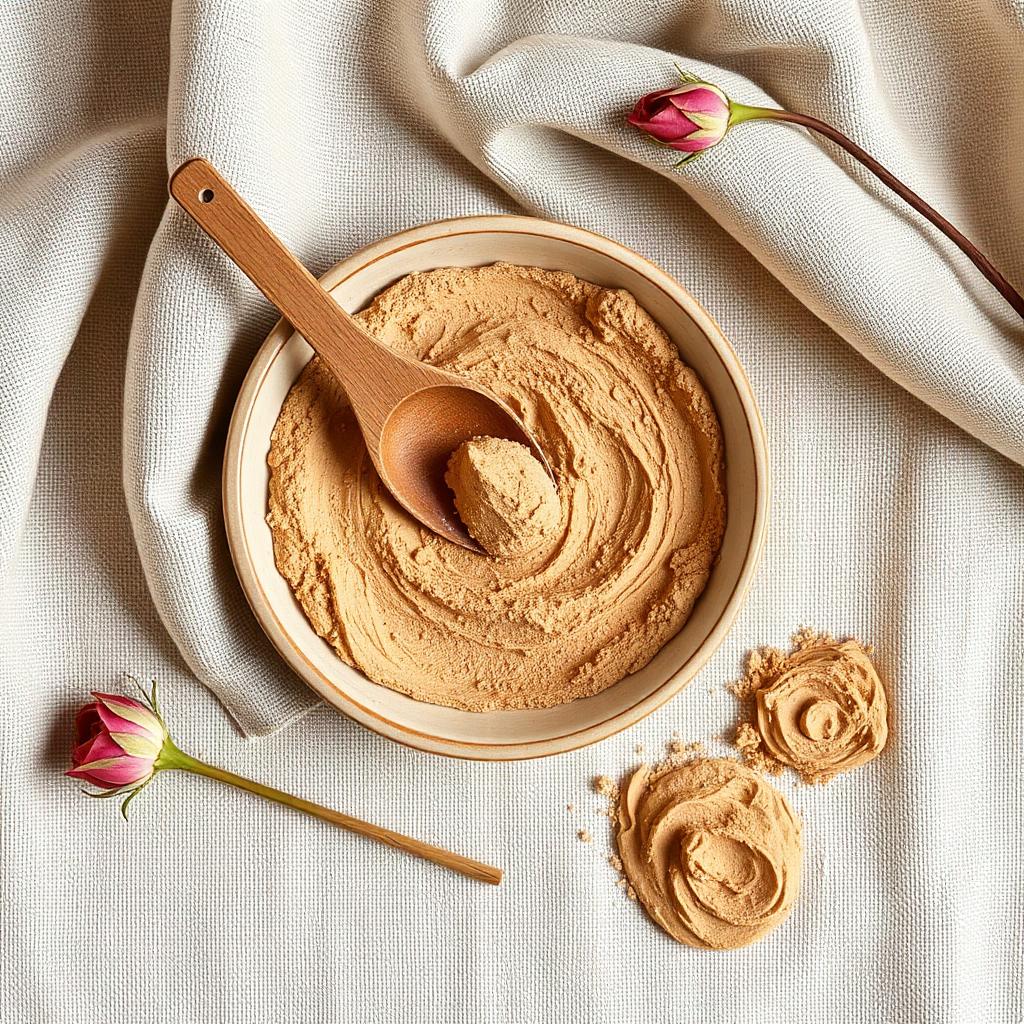
A serum can only work on skin that's clean and barrier-balanced. A weekly Multani Mitti mask clears excess oil and surface buildup so actives absorb properly, and an occasional neem-water rinse keeps blemish-prone skin in check between mask days.
A simple Ayurvedic-modern routine
Morning: gentle cleanse → vitamin C serum → moisturiser → SPF 50.
Evening: cleanse → niacinamide or rosehip serum → light moisturiser.
Weekly: Multani Mitti mask (10–12 minutes) or neem-powder spot paste on active breakouts.
| Concern | Best active | Time of day |
|---|---|---|
| Dullness / pigmentation | Vitamin C 10% | Morning |
| Oily / blemish-prone | Niacinamide + neem prep | Morning or night |
| Dehydrated / dry | Hyaluronic acid + rosehip oil | Night |
| Sensitive / reactive | Centella + jojoba | Night |
Multani Mitti — Pure Fuller's Earth Clay
Brightening clay face pack · 100g
Shop now →Shop the storyNeem Powder — 100% Pure Organic Neem Leaf
For clear skin & scalp care · 100g
Shop now →Frequently asked questions
Is organic face serum better than regular serum?+
Organic serums avoid synthetic pesticides and are often gentler on sensitive Indian skin, but the active ingredient and concentration matter most. A well-formulated organic vitamin C at 10% will outperform a poorly formulated 'natural' serum.
Can I use organic face serum every day?+
Yes. Most organic serums (vitamin C, niacinamide, hyaluronic acid) are designed for daily use. Start once a day for a week to confirm tolerance, then move to morning and night.
Which is the best base for an organic face serum routine?+
Skin that's been weekly-clarified with a clay like Multani Mitti absorbs serums better. Neem powder spot-paste also keeps blemishes at bay between treatments.
Are organic face serums safe in pregnancy?+
Most plant-based serums (hyaluronic acid, niacinamide, rosehip) are considered safe. Avoid high-strength retinoids and salicylic acid, and confirm with your doctor.
Do organic face serums expire faster?+
Yes — without strong synthetic preservatives, organic serums typically last 6–9 months after opening. Store away from sunlight and heat.
Slow wellness, in your inbox
Get The 7-Day Botanical Reset — free wellness guide — plus monthly rituals, recipes and quiet product notes. No spam, unsubscribe any time.