Multani Mitti vs Bentonite Clay: Which Face Mask Is Right for You?
Published 16 February 2026
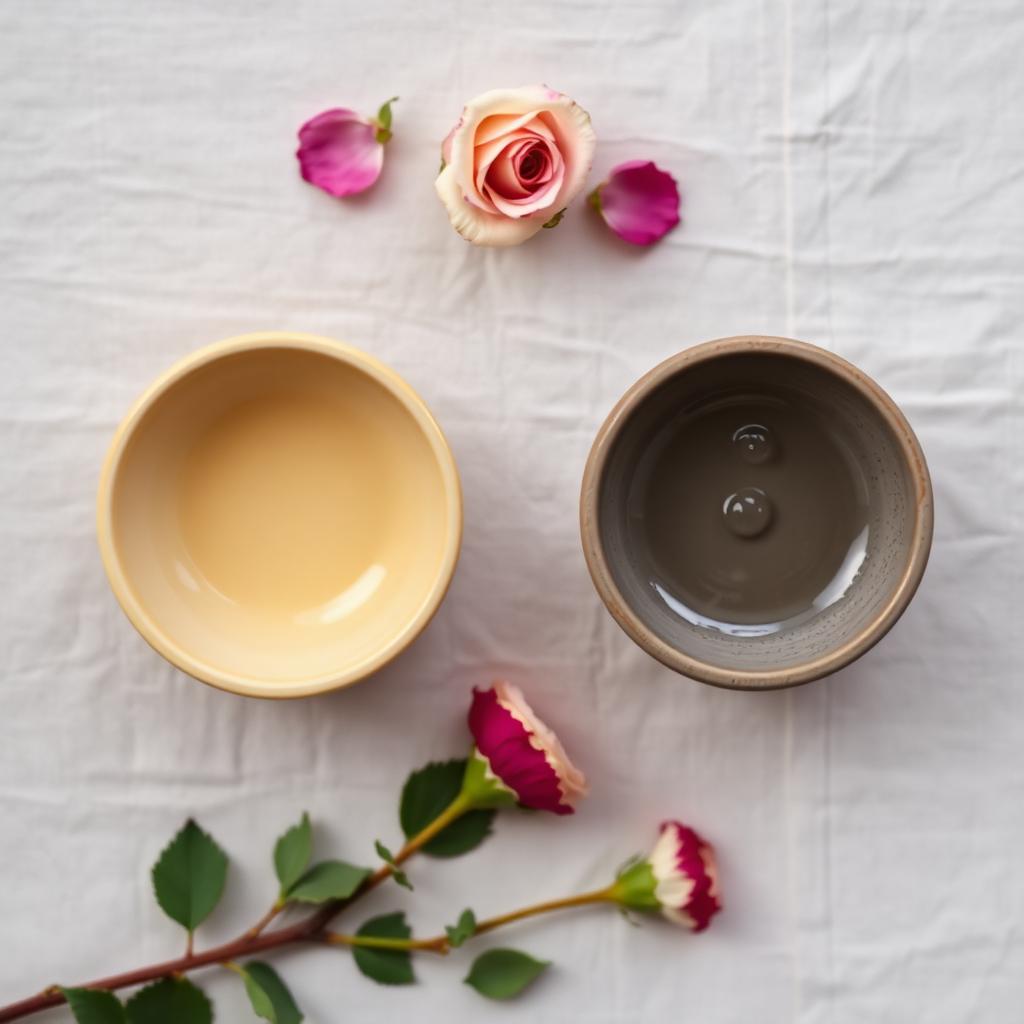
Same family, different personalities
Multani Mitti and bentonite are both natural absorbent clays, but they come from different geology and behave differently on skin. Multani Mitti (Fuller's Earth) is a sedimentary clay rich in magnesium and silica, traditional to South Asia. Bentonite forms from weathered volcanic ash and is most common in the American west.
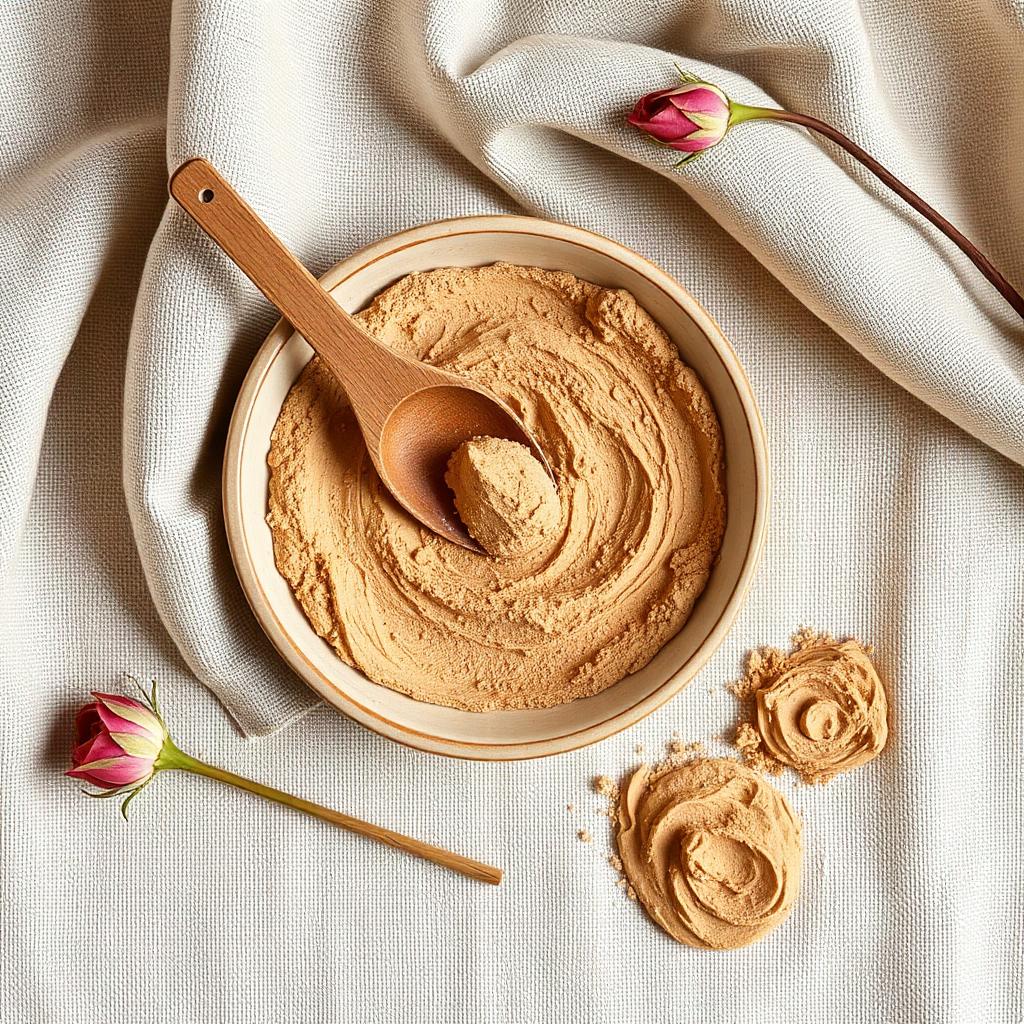
Multani Mitti — Pure Fuller's Earth Clay
Brightening clay face pack · 100g
Pull strength: how much oil they really lift
Bentonite carries a stronger negative electrical charge when mixed with water — it binds to surface impurities more aggressively and can feel almost magnetic on the skin. Multani Mitti is gentler. For oily or combination Indian skin, gentler is usually better: aggressive pulling triggers rebound oil production.
Skin-type fit
Multani Mitti suits oily, combination, normal and even slightly sensitive skin. Bentonite is best reserved for very oily, acne-prone or congested skin, used no more than once a week. Dry or barrier-compromised skin should avoid bentonite entirely.
How to mix each one
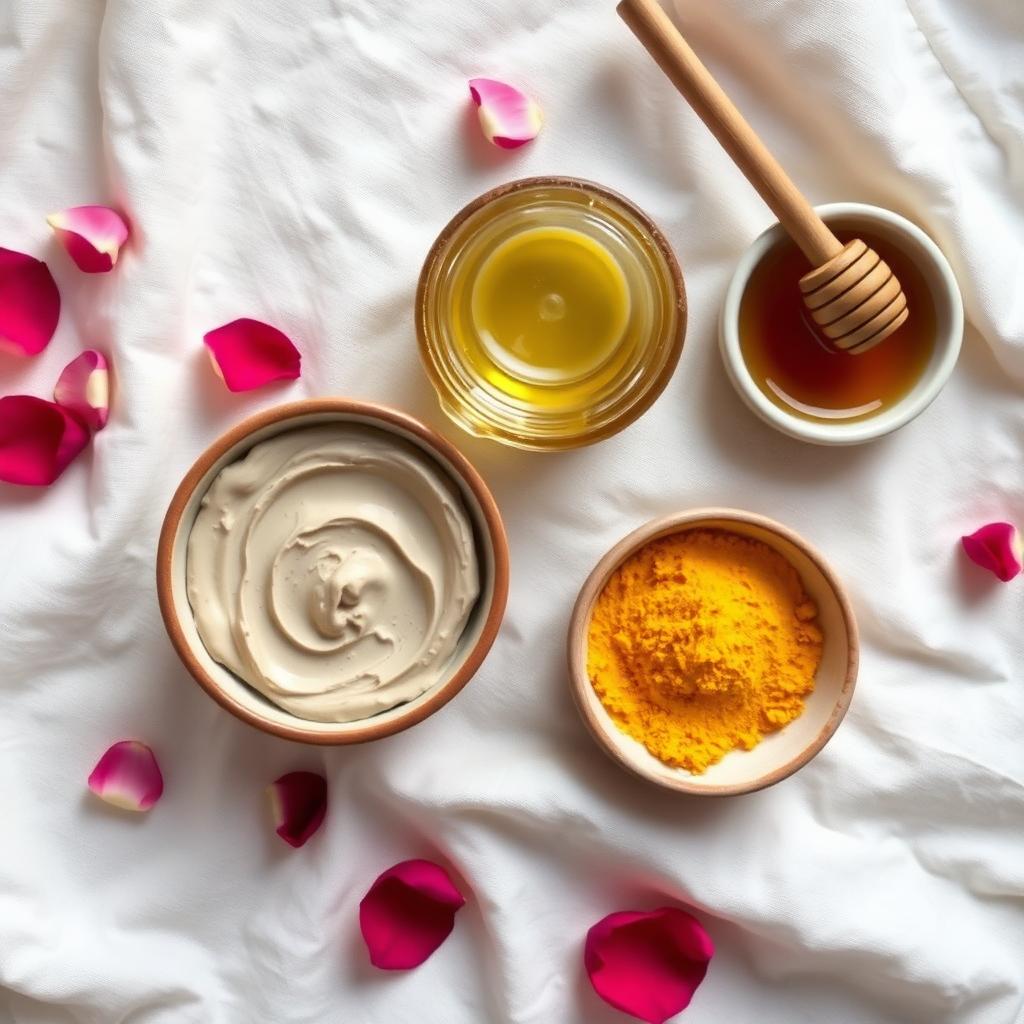
Mix Multani Mitti with rose water, raw milk or honey-and-water in a non-metal bowl. Bentonite must never touch metal — it deactivates the clay's charge. Use a wooden or plastic spoon and a glass or ceramic bowl, and mix with apple cider vinegar or filtered water.
Which one to start with
For most Indian climates and skin types, start with Multani Mitti once a week. Add bentonite only if breakouts are persistent and your skin clearly tolerates a stronger clay. You rarely need both in the same routine.
| Property | Multani Mitti | Bentonite |
|---|---|---|
| Origin | Sedimentary clay, South Asia | Volcanic ash, North America |
| Pull strength | Gentle to moderate | Strong |
| Best for | Oily, combo, normal, sensitive | Very oily, acne-prone |
| Mix with | Rose water, milk, honey | Filtered water or ACV (no metal) |
| Frequency | 1–2× per week | Max once a week |
| pH | ~7.5 (near skin neutral) | ~9 (alkaline) |
Frequently asked questions
Is Multani Mitti the same as bentonite clay?+
No. They're both natural absorbent clays, but Multani Mitti is a sedimentary clay from South Asia, while bentonite is formed from volcanic ash. They differ in mineral content, pH and pull strength.
Which is better for oily skin?+
For everyday oily and combination Indian skin, Multani Mitti is usually the better long-term choice. Bentonite is stronger but can over-strip the skin if used too often.
Can I mix Multani Mitti and bentonite together?+
It's not recommended. The two clays work at different intensities and pH levels, so combining them dilutes the benefit of each.
Why can't bentonite touch metal?+
Bentonite's pulling action comes from its negative electrical charge. Contact with metal neutralises the charge and reduces its effectiveness.
Which clay is gentler for sensitive skin?+
Multani Mitti, mixed with rose water or raw milk, is gentler. Sensitive skin should avoid bentonite or use it very sparingly.
Slow wellness, in your inbox
Get The 7-Day Botanical Reset — free wellness guide — plus monthly rituals, recipes and quiet product notes. No spam, unsubscribe any time.