Does Herbal Tea Have Caffeine? The Honest Answer
Published 12 November 2025
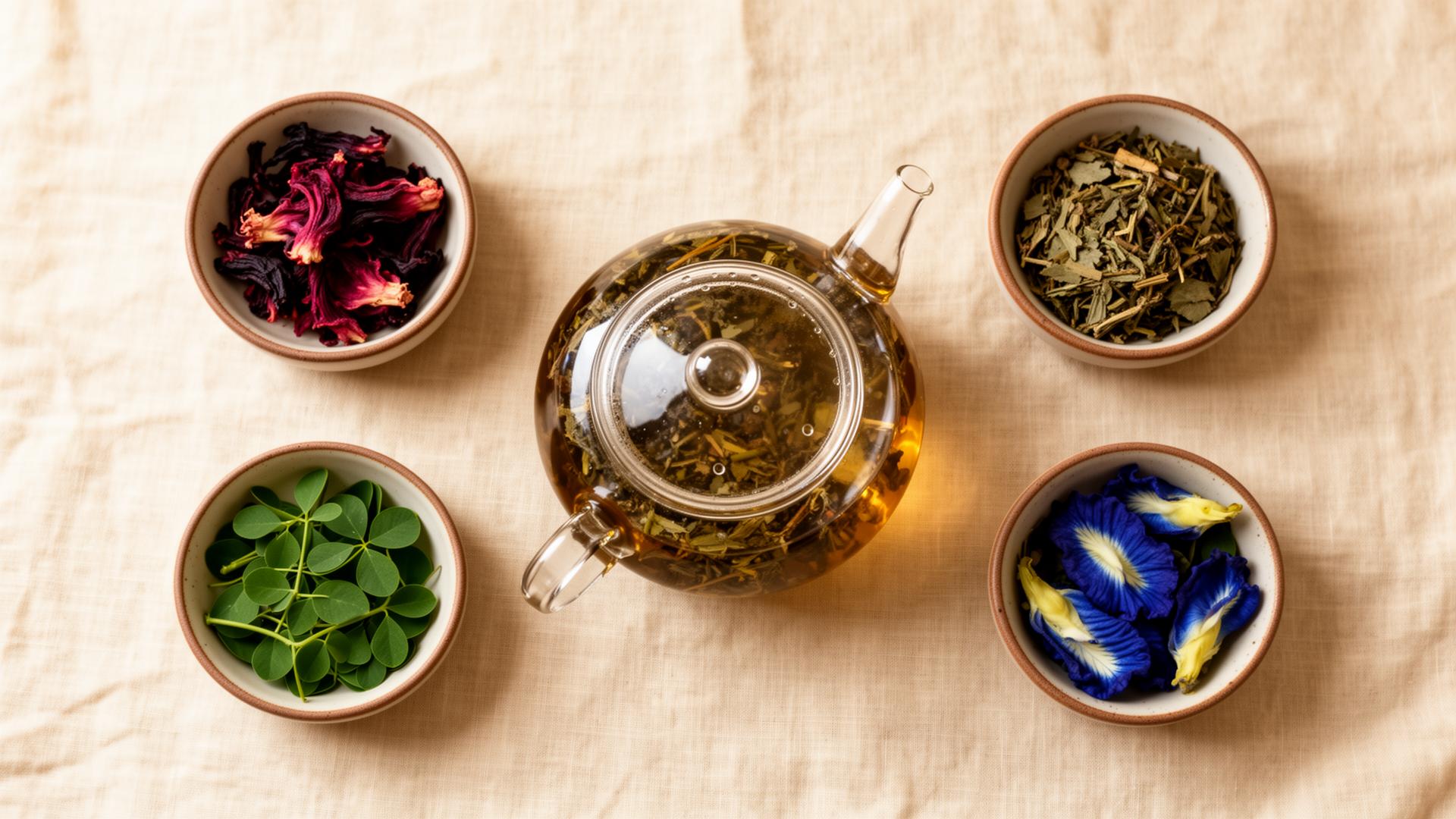
True tea vs. herbal infusion
True tea — black, green, white, oolong, matcha — all come from the Camellia sinensis plant, which naturally contains caffeine. So if a blend lists 'green tea' or 'black tea' as an ingredient, it has caffeine, even if it's marketed as a wellness blend.
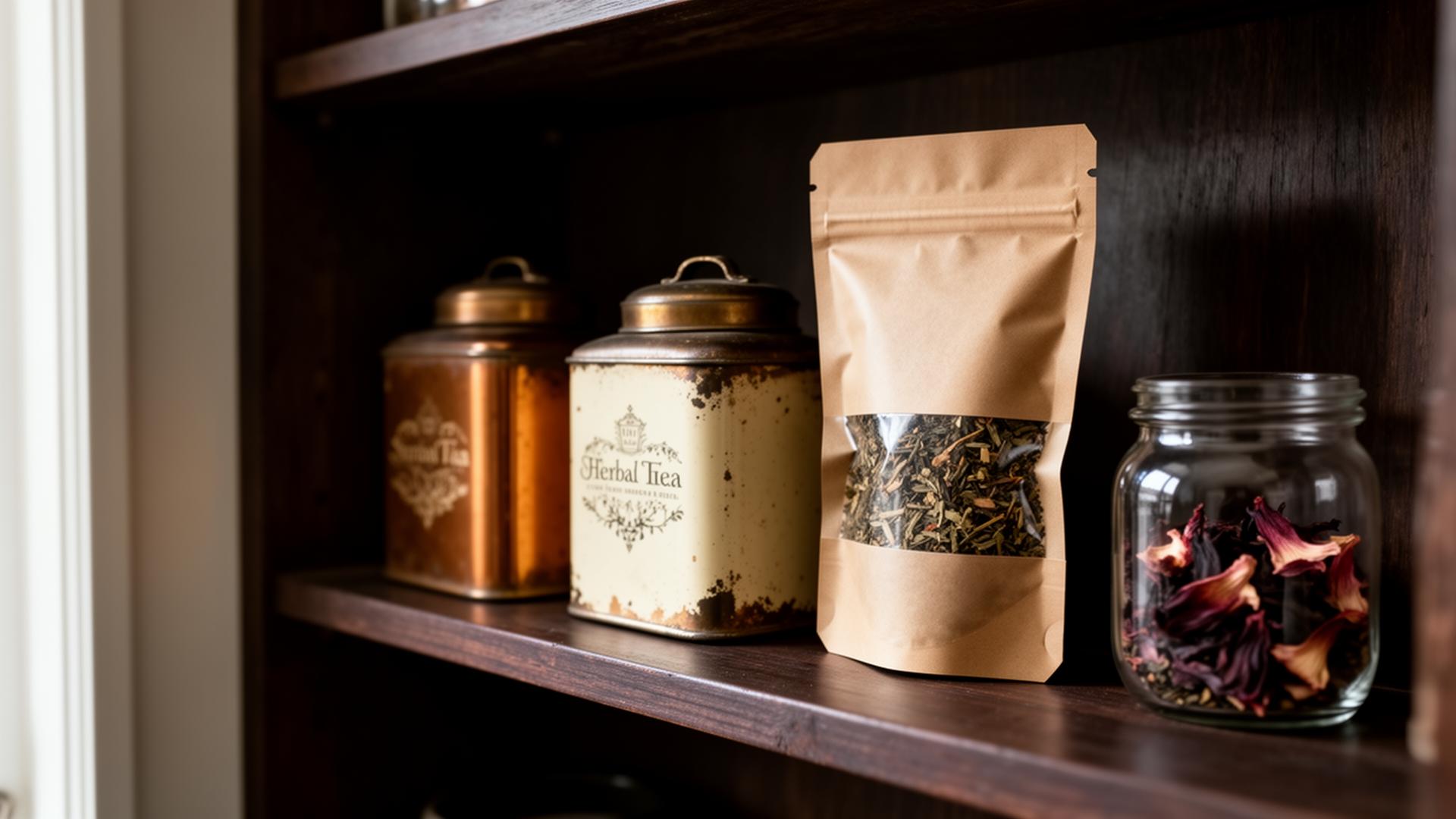
Herbal infusions (technically called tisanes) are different. They're made from flowers, leaves, roots and spices that aren't from the tea plant. Hibiscus, lemongrass, chamomile, peppermint, rooibos, moringa and butterfly pea flower are all naturally caffeine-free.
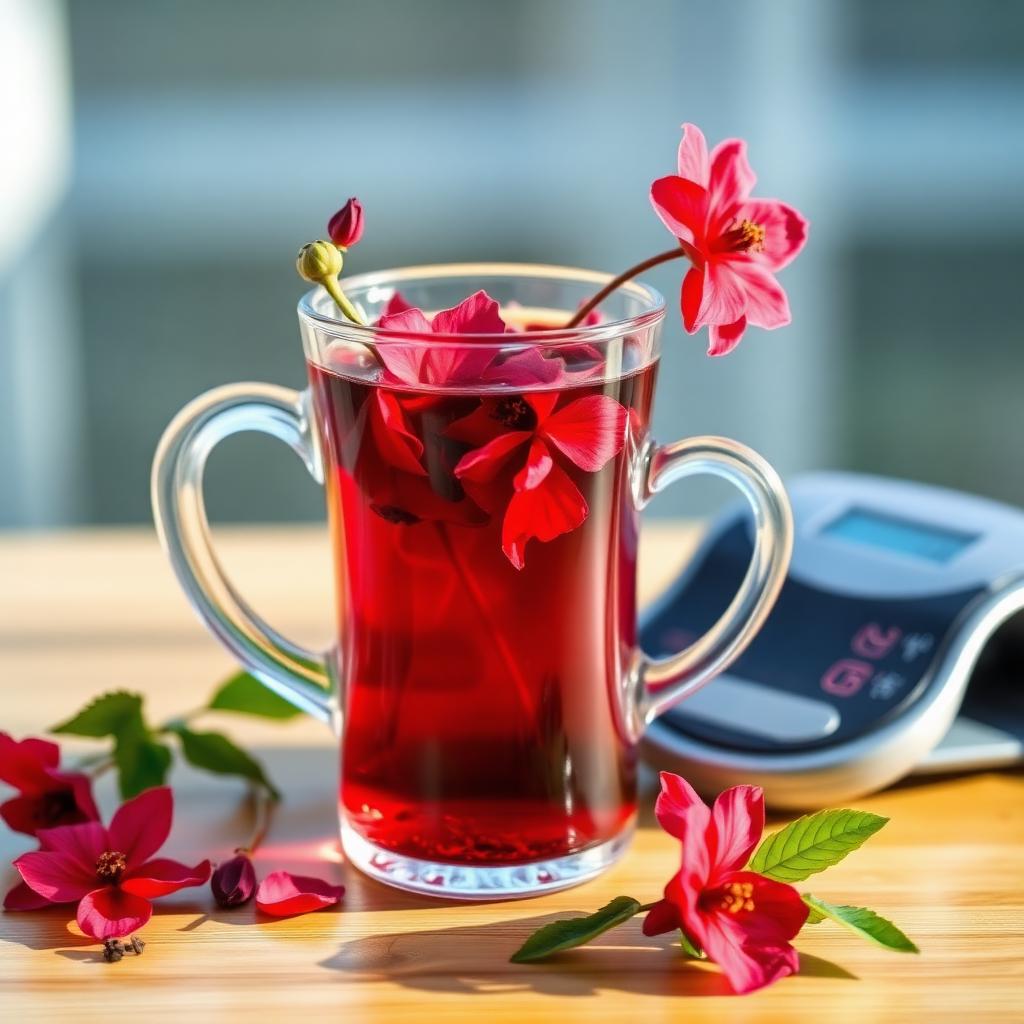
Hibiscus Wellness Tea
Ruby-red, antioxidant-rich · 50g
Caffeine in common wellness teas — at a glance
| Tea | Type | Caffeine |
|---|---|---|
| Hibiscus | Herbal flower | None |
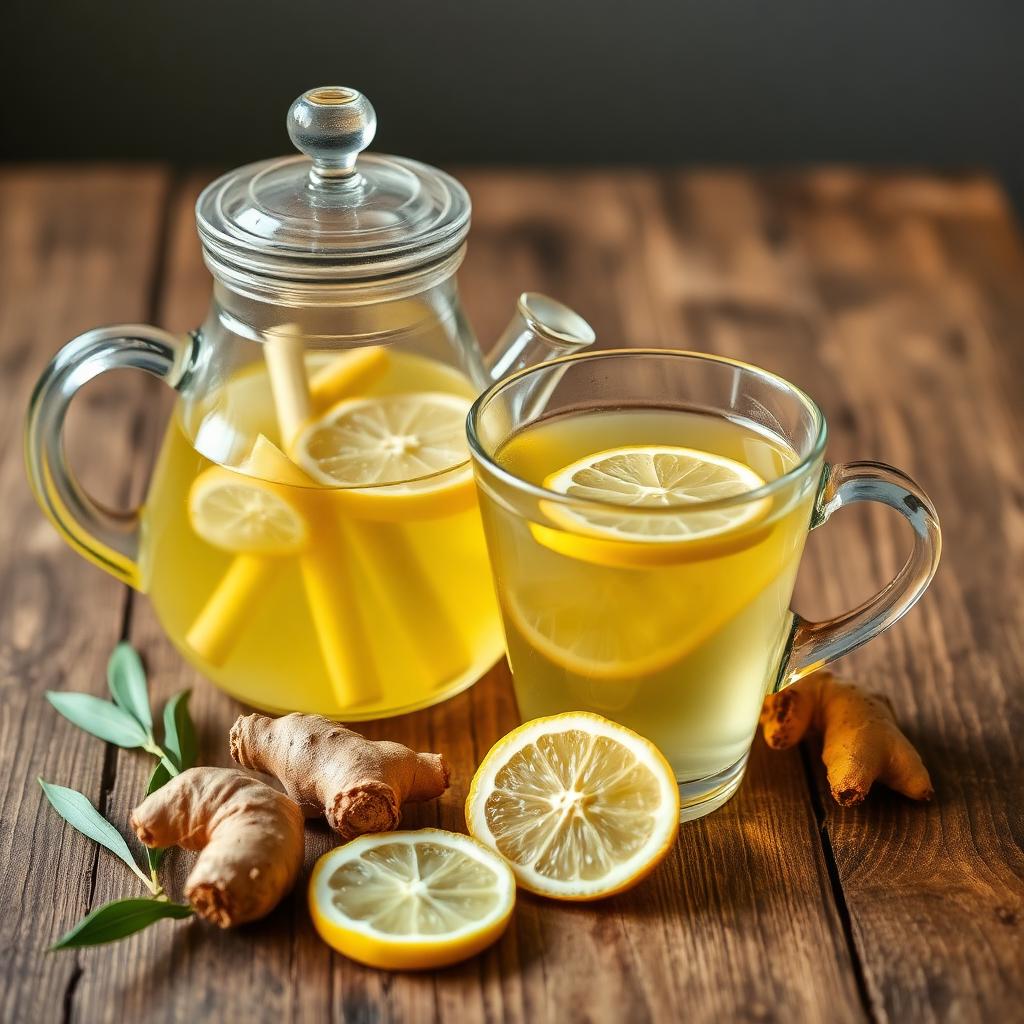
| Moringa Ginger | Herbal leaf + root | None |
| Butterfly Pea | Herbal flower | None |
| Chamomile | Herbal flower | None |
| Green tea | Camellia sinensis | ~25–45 mg/cup |
| Matcha | Camellia sinensis | ~60–80 mg/cup |
| Black tea | Camellia sinensis | ~40–70 mg/cup |
What this means for your routine
At Growterra, every blend in our wellness tea range — Hibiscus, Moringa Ginger and Butterfly Pea Blue Tea — is 100% caffeine-free. They're made entirely from dried botanicals, with no Camellia sinensis leaves at any stage.
That makes them safe for evenings, before bed, during pregnancy (with your doctor's okay), or for anyone cutting back on caffeine. The lift you feel after a cup isn't caffeine — it's hydration, warmth and the gentle aromatics of the plants themselves.
How to read a wellness tea label
If you see only flowers, herbs, roots or spices, you're safe. If you see tea leaves of any colour — green, black, white, oolong, matcha — expect caffeine.
Frequently asked questions
Does herbal tea have caffeine?+
Pure herbal infusions made from flowers, leaves, roots or spices (hibiscus, moringa, butterfly pea, chamomile, peppermint) are naturally caffeine-free. Blends that include green, black, white or oolong tea do contain caffeine.
Is hibiscus tea caffeine-free?+
Yes. Hibiscus is a flower, not a tea leaf — it has zero caffeine.
Is moringa tea caffeine-free?+
Yes. Moringa is a leaf from the Moringa oleifera tree, not Camellia sinensis. The energy people describe from moringa is nutritional, not caffeine-driven.
Is butterfly pea tea safe in the evening?+
Yes — butterfly pea is naturally caffeine-free and is widely enjoyed as a calming evening cup.
How do I check if a wellness tea has caffeine?+
Read the ingredients list. Only flowers, herbs, roots or spices = caffeine-free. Any mention of green, black, white, oolong or matcha = caffeinated.
Slow wellness, in your inbox
Get The 7-Day Botanical Reset — free wellness guide — plus monthly rituals, recipes and quiet product notes. No spam, unsubscribe any time.