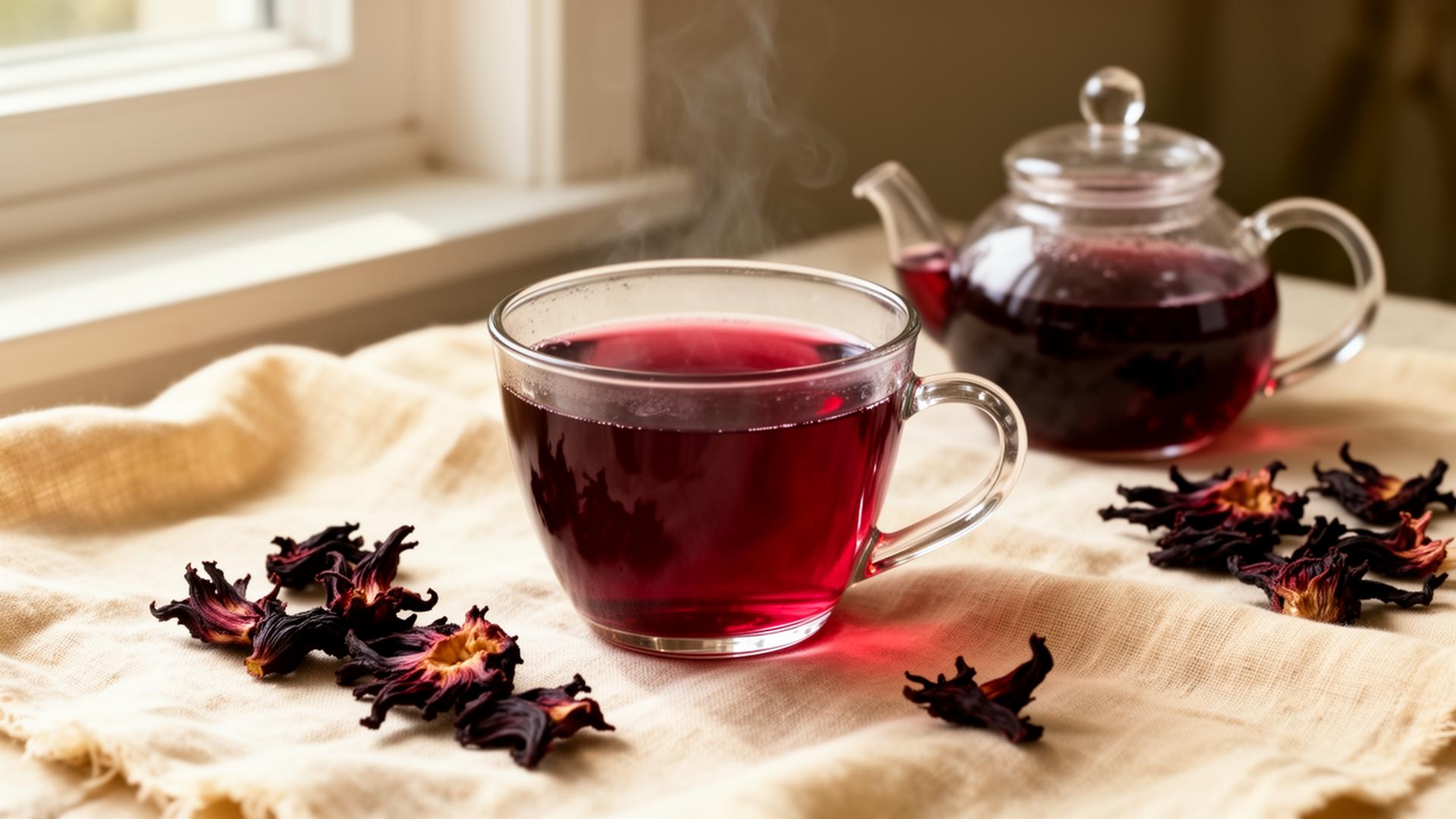
Hibiscus Tea for Blood Pressure: What the Research Actually Says
Published 28 February 2026
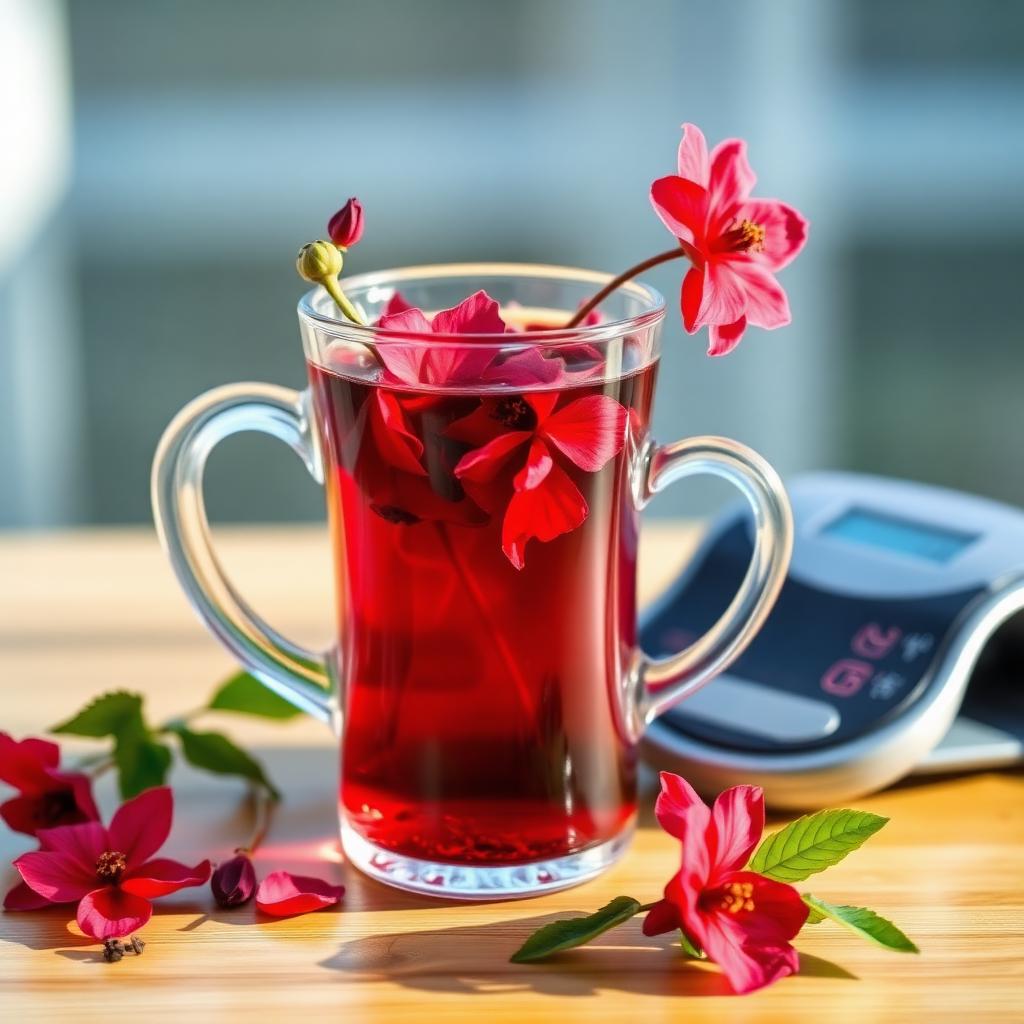
Why hibiscus keeps showing up in blood pressure research
Hibiscus sabdariffa is one of the most studied herbal teas in the world for cardiovascular health. Researchers are interested because hibiscus is rich in anthocyanins and polyphenols — the same family of antioxidants found in red wine and berries — and several trials have shown a modest but consistent effect on blood pressure.
Hibiscus Wellness Tea
Ruby-red, antioxidant-rich · 50g
What the studies actually show
A widely cited 2010 study in the Journal of Nutrition found that 3 cups of hibiscus tea a day for 6 weeks lowered systolic blood pressure by an average of about 7 mmHg in adults with mildly elevated readings. Later meta-analyses (2015, 2019) pooled multiple trials and found a consistent small reduction in both systolic and diastolic readings.
The effect is modest — comparable to dietary changes like reducing salt — not a replacement for prescribed medication.
How much hibiscus tea to drink
Most studies used 2–3 cups a day, brewed strong: about 1.5–2 teaspoons of dried flowers per cup, steeped for 5–10 minutes. Drink it hot or chilled. Consistency over weeks matters more than any single cup.
Who should be careful or avoid it
Speak to a doctor before drinking hibiscus tea daily if you: take blood pressure medication (it may stack with the drug), are pregnant or trying to conceive, take hydrochlorothiazide or certain anti-malarials, or have very low blood pressure already.
Make it a real ritual
Brew a pot in the morning, sip a cup, refrigerate the rest and pour over ice in the afternoon. The flavour is naturally tart and ruby-red — no sugar required. Pair with whole-leaf, naturally caffeine-free blends if you want variety without coffee or green tea.
| Study | Dose | Duration | Average change |
|---|---|---|---|
| McKay et al., 2010 (J. Nutrition) | 3 cups/day | 6 weeks | −7 mmHg systolic |
| Serban et al., 2015 (meta-analysis) | 2–3 cups/day | 2–6 weeks | −7.6 / −3.5 mmHg |
| Wahabi et al., 2010 (review) | Varies | 4–12 weeks | Small consistent drop |
| Ellis et al., 2019 (meta-analysis) | Varies | Varies | −4.7 / −4.0 mmHg |
Frequently asked questions
Does hibiscus tea really lower blood pressure?+
Multiple clinical trials suggest hibiscus tea can produce a modest reduction in blood pressure (around 5–7 mmHg systolic) in adults with mildly elevated readings, when consumed as 2–3 cups daily over several weeks.
How much hibiscus tea should I drink for blood pressure?+
Most studies used 2–3 cups a day, brewed with 1.5–2 teaspoons of dried flowers per cup. Always consult your doctor first if you're on medication.
Can hibiscus tea replace blood pressure medication?+
No. Hibiscus may complement diet and lifestyle changes, but it is not a replacement for prescribed medication. Always speak with your doctor before changing any treatment.
Are there side effects of drinking hibiscus tea daily?+
For most people, 2–3 cups a day is well tolerated. It can lower blood pressure too much when combined with antihypertensive medication and may interact with hydrochlorothiazide and certain anti-malarials.
Is hibiscus tea safe during pregnancy?+
Many healthcare providers recommend limiting or avoiding hibiscus tea in pregnancy, particularly the first trimester. Confirm with your doctor before adding it to your routine.
Slow wellness, in your inbox
Get The 7-Day Botanical Reset — free wellness guide — plus monthly rituals, recipes and quiet product notes. No spam, unsubscribe any time.