The Health Benefits of Hibiscus Tea, Explained Simply
Published 18 November 2025
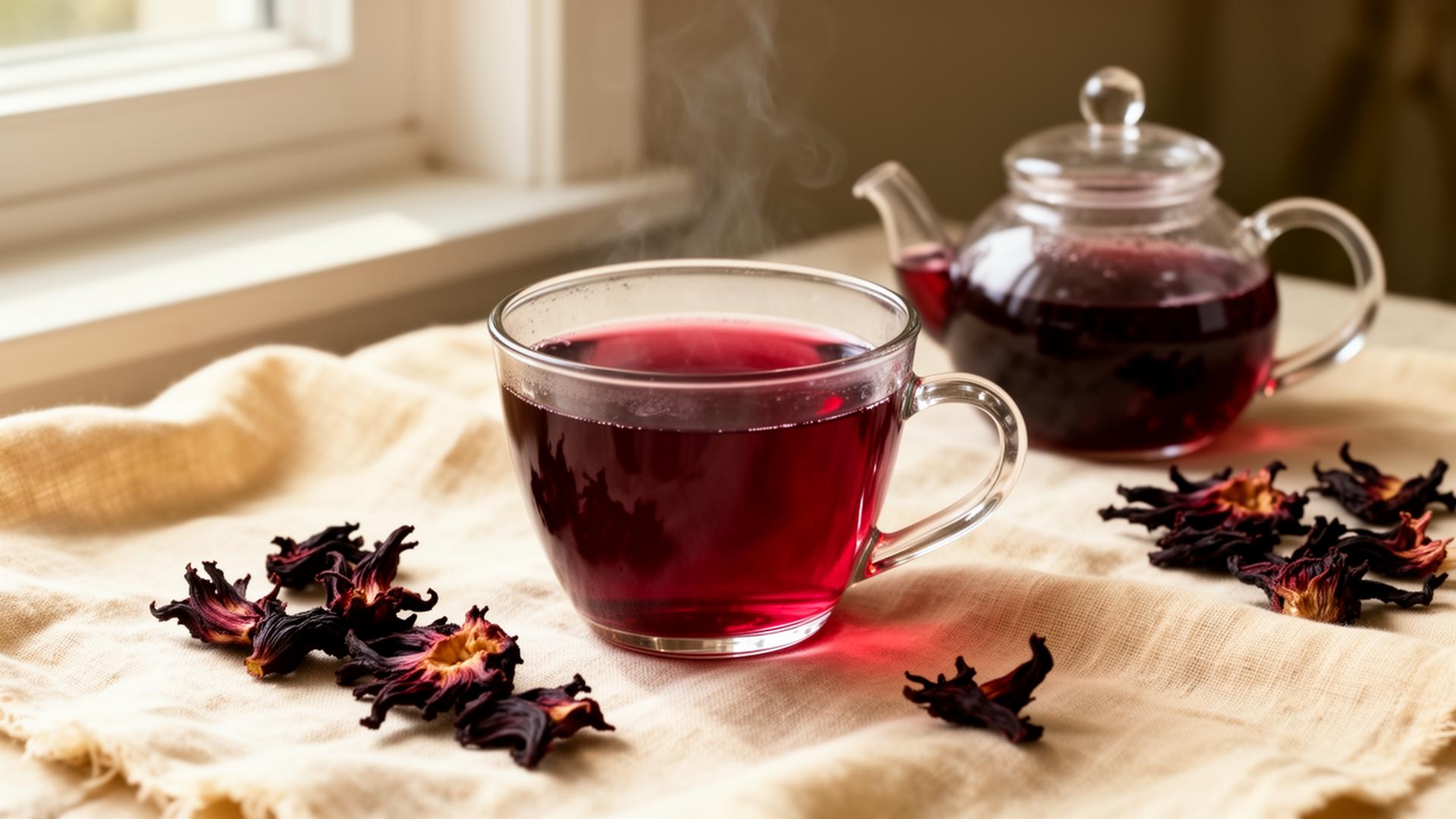
A flower with a very long history
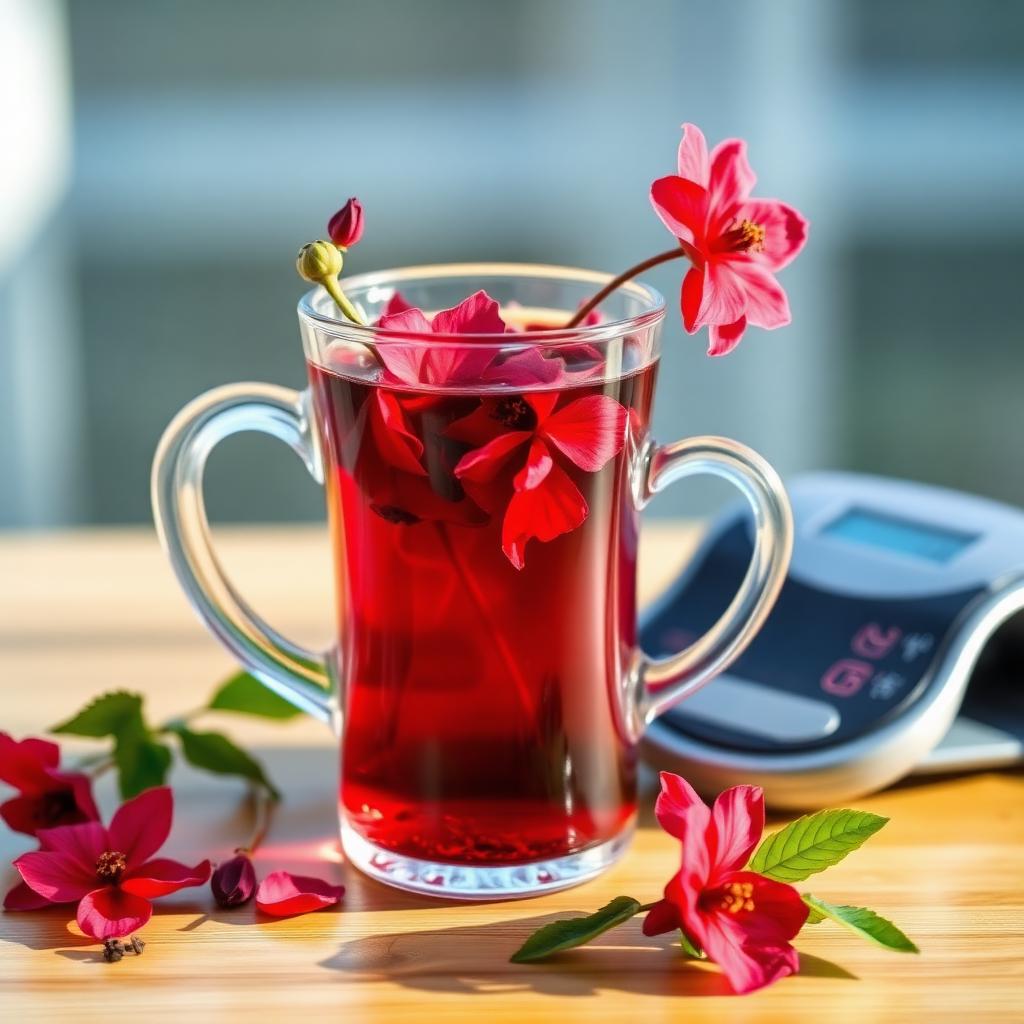
Hibiscus tea is one of the oldest herbal infusions in the world. From West Africa to Egypt to South India, the deep-red petals of the hibiscus flower have been brewed into cooling, tart drinks for centuries.
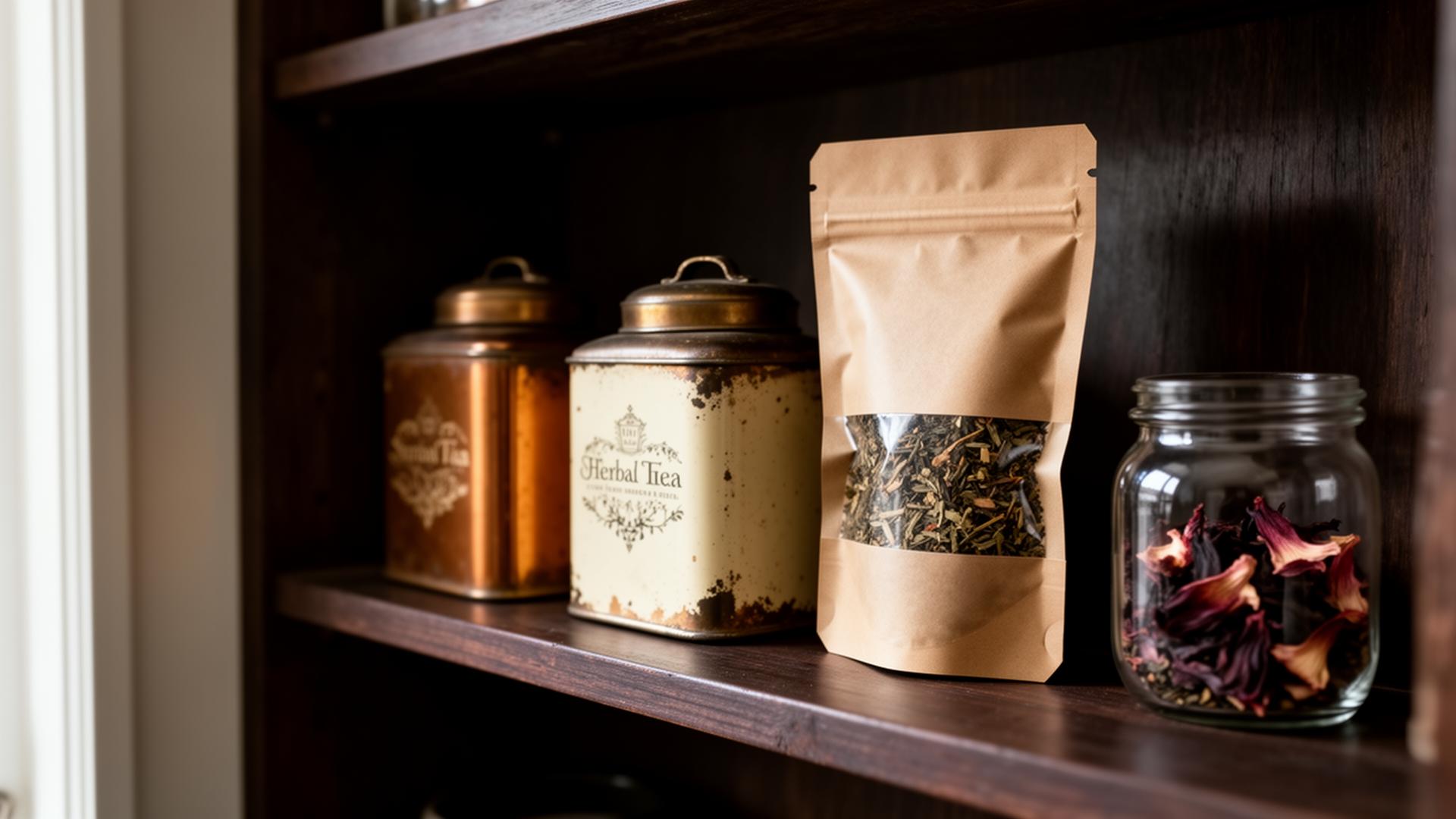
Hibiscus Wellness Tea
Ruby-red, antioxidant-rich · 50g
What hibiscus actually contains
Hibiscus is naturally rich in anthocyanins — the same family of antioxidants that give blueberries and pomegranates their colour. These compounds are linked to general cellular wellness and may help the body manage everyday oxidative stress.
Hibiscus tea benefits supported by research
Heart-forward habits
Several small studies have explored hibiscus tea's role in supporting healthy blood pressure already within the normal range, and in supporting balanced cholesterol as part of a healthy lifestyle.
Hydration without sugar
It's caffeine-free, deeply hydrating and naturally tart — a lovely alternative to sweetened drinks. Many people find it satisfies a sweet craving without any added sugar.
How to brew hibiscus tea well
Pour just-off-the-boil water over a teaspoon of dried hibiscus, cover and steep 5–7 minutes. Drink warm in winter, or chill with a slice of lime for a summer cooler.
Safety notes
One to two cups a day is gentle and sustainable for most people. If you're on blood pressure medication or pregnant, check with your doctor first.
Frequently asked questions
What are the proven benefits of hibiscus tea?+
Small studies link hibiscus to supporting healthy blood pressure already in the normal range and to providing antioxidants (anthocyanins). It is not a medicine, but a useful daily ritual for heart-forward habits.
How much hibiscus tea is safe per day?+
One to two cups a day suits most people. Speak with your doctor if you're pregnant or take blood-pressure medication.
Can I drink hibiscus tea every day?+
Yes, in moderate amounts. Daily 1–2 cups is a sustainable amount for most healthy adults.
Is hibiscus tea safe during pregnancy?+
Some healthcare providers suggest limiting or avoiding hibiscus during pregnancy, particularly in the first trimester. Ask your doctor about your individual case.
How do I brew hibiscus tea?+
1 tsp dried hibiscus, water just off the boil (~95°C), cover and steep 5–7 minutes. Drink hot, or chill over ice with mint and lime.
Slow wellness, in your inbox
Get The 7-Day Botanical Reset — free wellness guide — plus monthly rituals, recipes and quiet product notes. No spam, unsubscribe any time.