Is Herbal Tea Safe During Pregnancy? What to Know
Published 12 January 2026
First — the medical disclaimer that actually matters
This article is general information, not medical advice. Every pregnancy is different. Bring the actual ingredient list to your doctor or midwife and let them give you the final word.
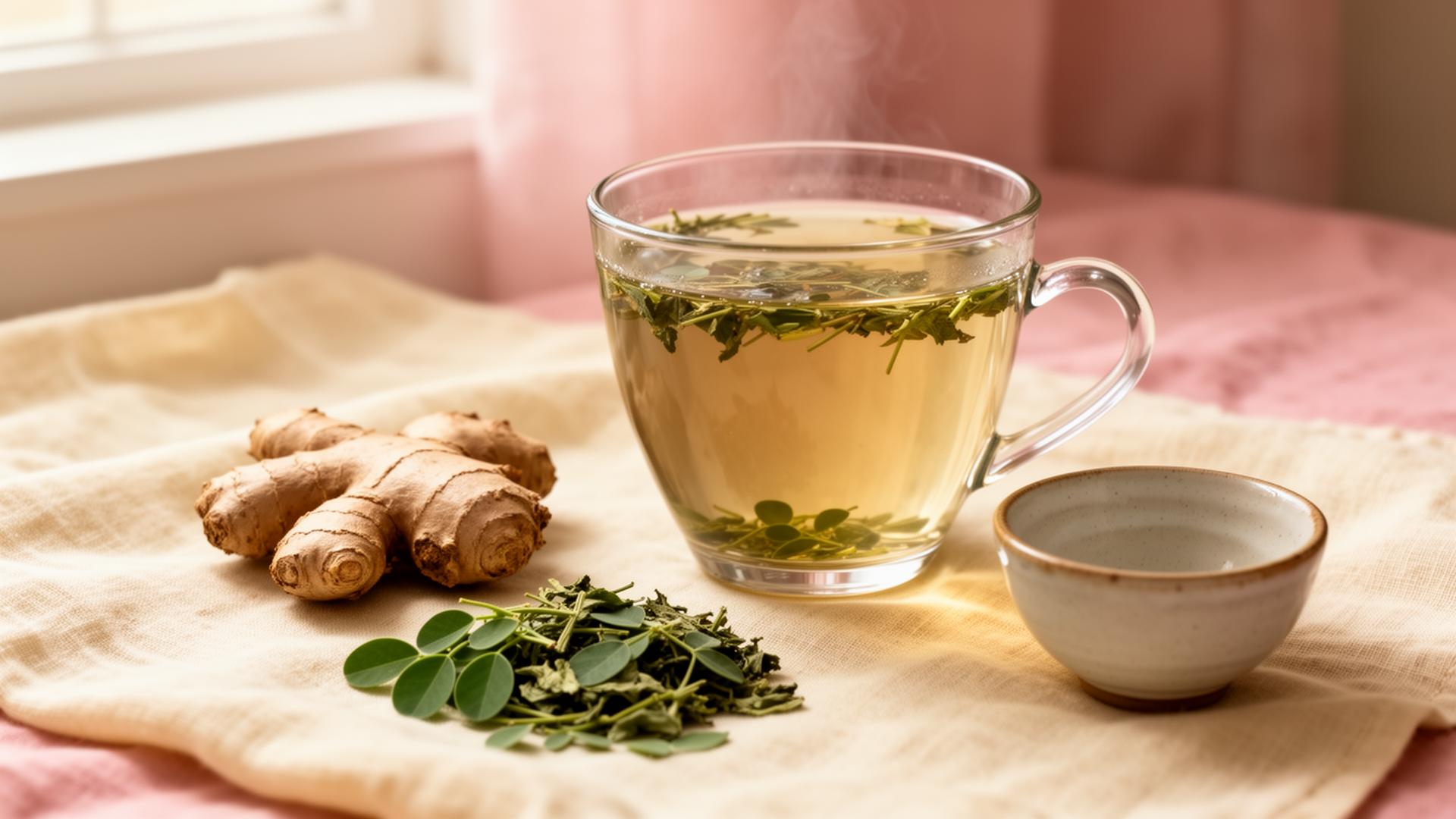
Moringa Ginger Wellness Tea
Earthy, immunity-supporting · 50g
Caffeine: the big one
Most herbal wellness teas are caffeine-free, which is a major advantage during pregnancy when caffeine intake is generally recommended to stay below 200 mg per day. Always read the ingredients to confirm there's no Camellia sinensis (green, black, white, oolong) in the blend.
Common wellness teas — a gentle guide
Ginger (and moringa ginger)
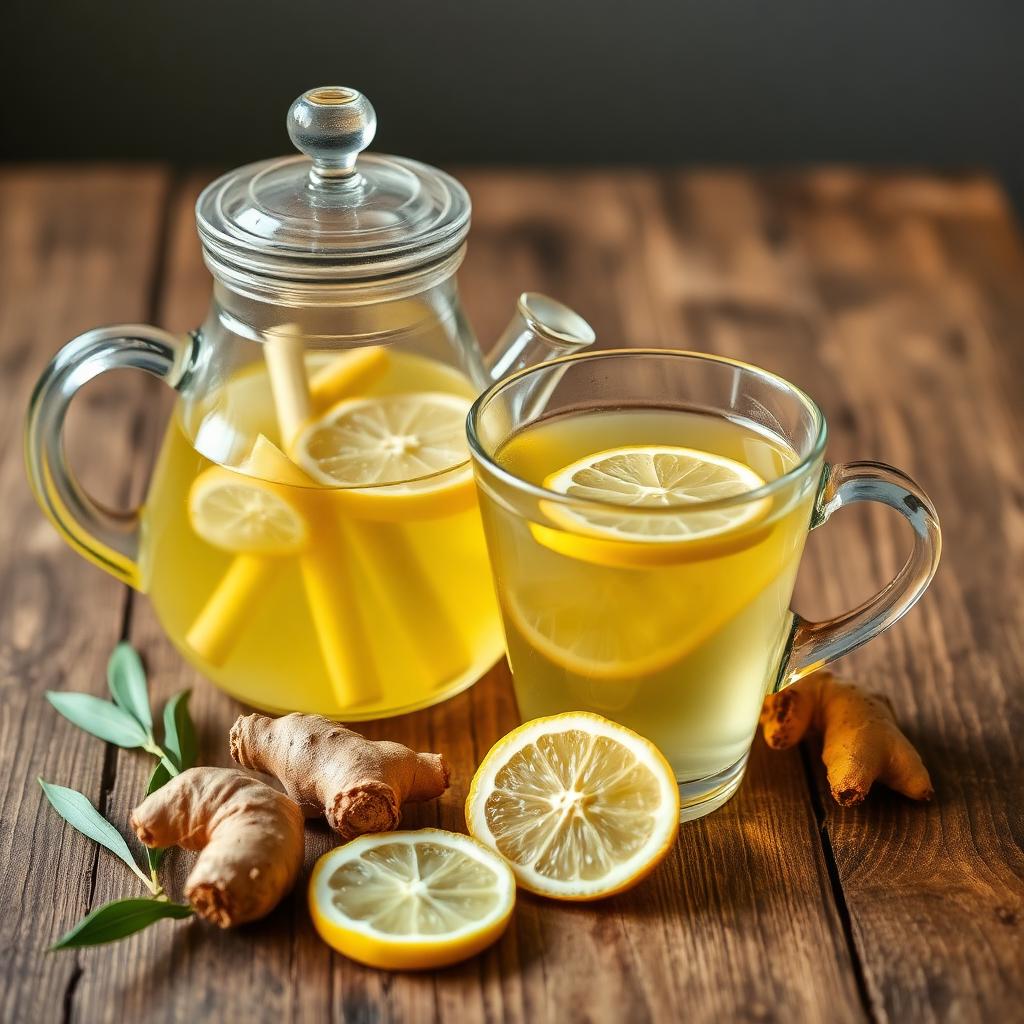
Widely considered safe in small amounts and traditionally used to support digestion and ease occasional nausea. Most doctors are comfortable with 1–2 cups a day.
Hibiscus
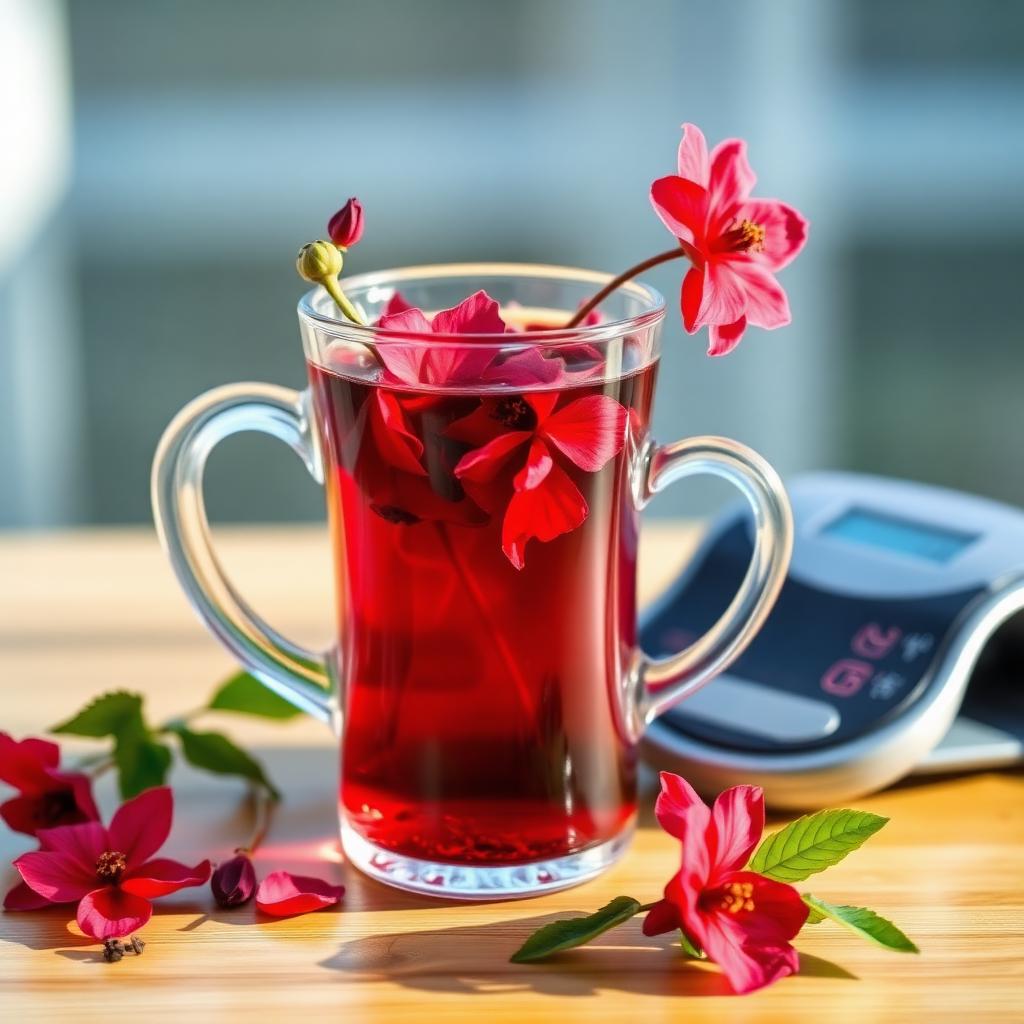
Some healthcare providers suggest limiting or avoiding hibiscus during pregnancy, particularly in the first trimester, because of its traditional association with the menstrual cycle. If you love it, please ask your doctor.
Moringa leaf tea
A long tradition of use across many cultures. Casual sipping is generally considered fine — concentrated moringa supplements are a separate conversation.
Butterfly pea
Mild and gently studied. A cup or two a day is reasonable for most people.
When to call your doctor
Any new symptom, any concern about an ingredient, or any pre-existing condition. There's no such thing as a silly question in pregnancy.
Frequently asked questions
Is herbal tea safe during pregnancy?+
Many pure herbal teas (ginger, moringa, butterfly pea, peppermint, rooibos) are considered safe in moderate amounts. Hibiscus and some others should be limited or avoided — always confirm with your doctor.
How much herbal tea can I drink while pregnant?+
For most safe herbals, 1–2 cups a day is a sensible upper limit. Stay well under 200 mg/day of caffeine overall.
Is hibiscus tea safe during pregnancy?+
Some healthcare providers recommend limiting or avoiding hibiscus, particularly in the first trimester. Ask your doctor about your specific case.
Is ginger tea safe during pregnancy?+
Ginger is widely considered safe in small amounts (1–2 cups a day) and is often used to help with morning nausea.
Is moringa tea safe in pregnancy?+
Moringa leaf tea has a long history of casual use. Concentrated moringa supplements are different — speak with your doctor before adding them.
Slow wellness, in your inbox
Get The 7-Day Botanical Reset — free wellness guide — plus monthly rituals, recipes and quiet product notes. No spam, unsubscribe any time.