Where to Buy Organic Loose-Leaf Tea in India (2026 Buyer's Guide)
Published 8 December 2025
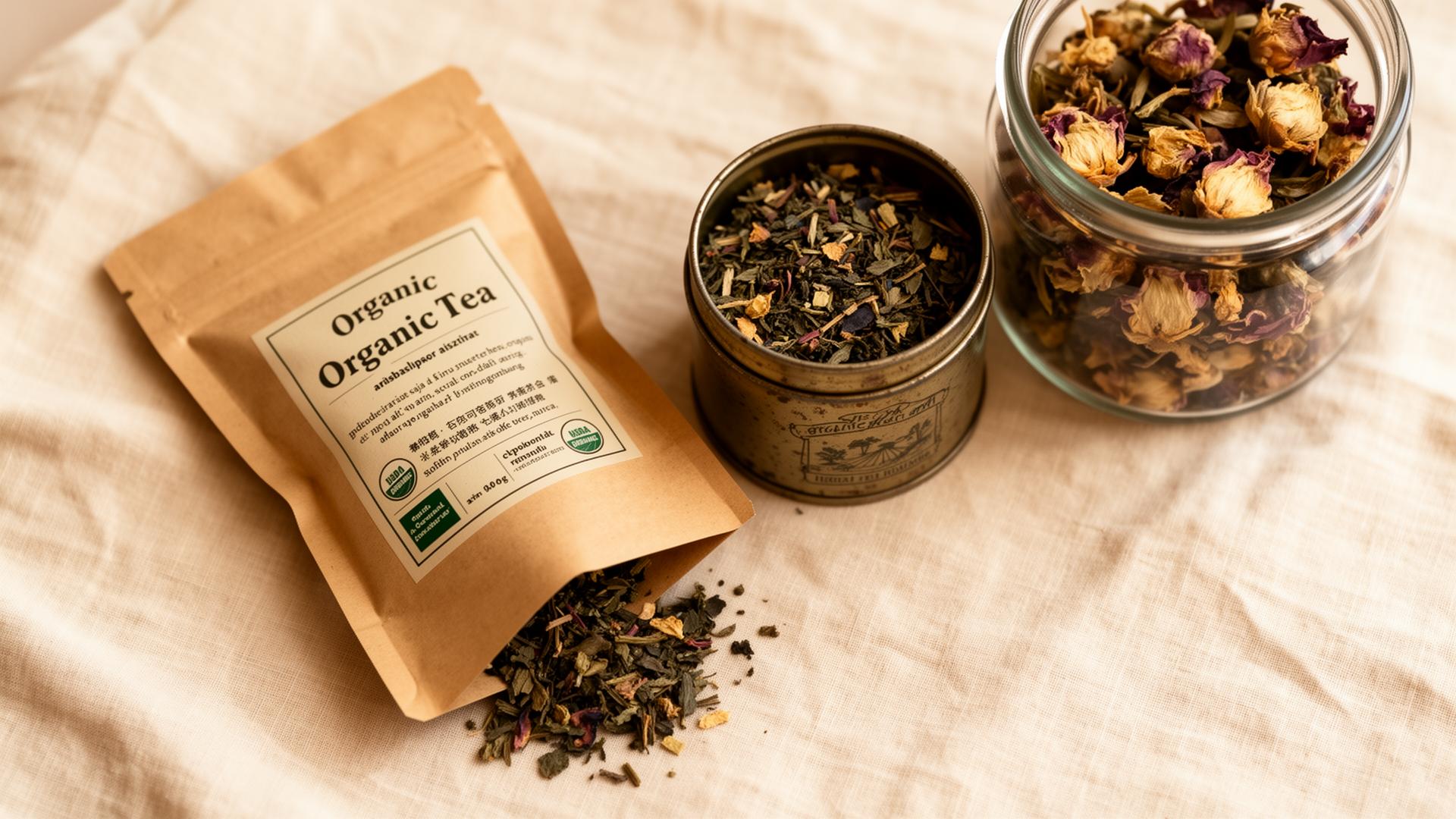
Why finding good organic loose-leaf tea in India is harder than it should be
Search 'organic loose-leaf tea India' and you'll find hundreds of brands. Some are genuinely small-batch and clean; others are repackaged supermarket tea in a prettier tin. The hard part is telling them apart.
This guide is the framework we'd send a friend who's just starting to take their tea seriously — what to look for on the label, where to actually buy, and the brutally honest red flags.
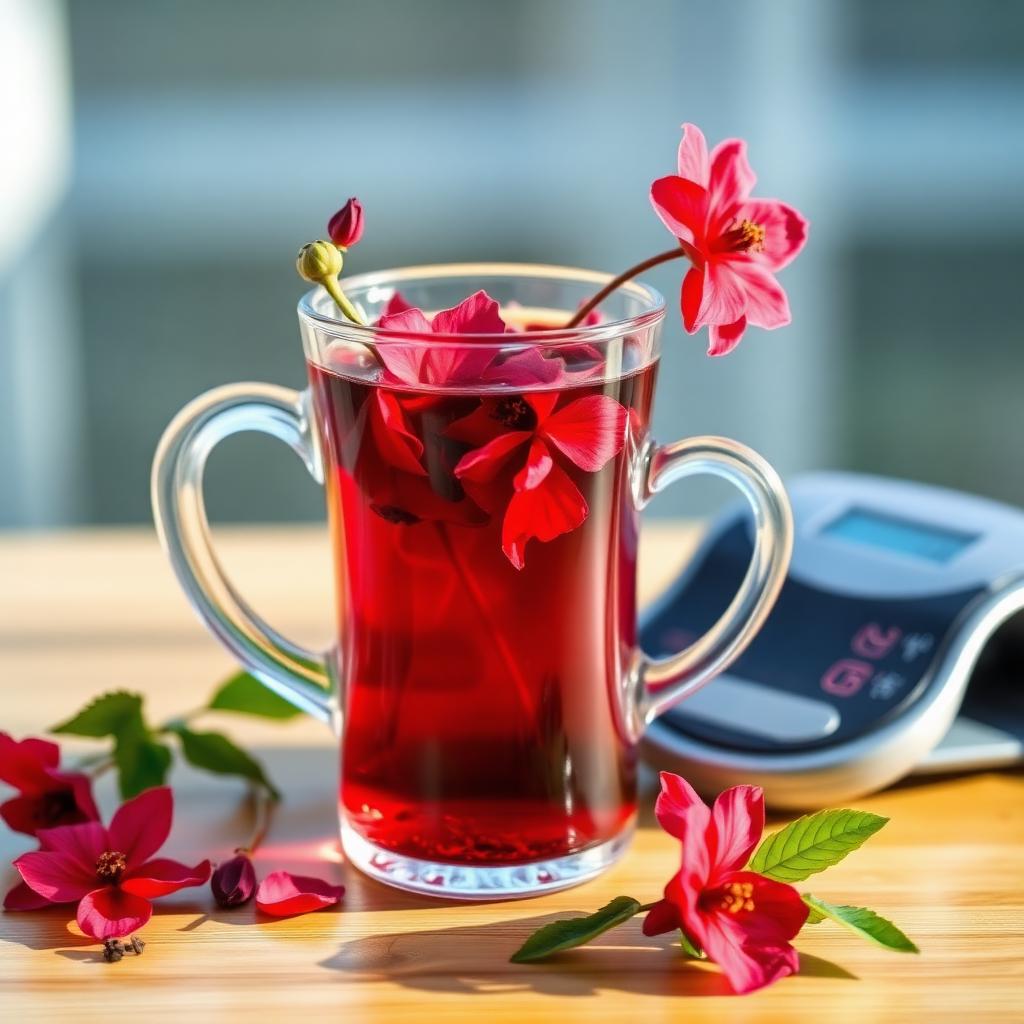
Hibiscus Wellness Tea
Ruby-red, antioxidant-rich · 50g
6 things to check before you click 'buy'
1. Clear, single-line ingredients
A real wellness tea should tell you exactly what's inside — 'hibiscus flowers' or 'moringa leaf, ginger root' — not vague terms like 'natural flavours' or 'tea blend'.
2. Certifications or sourcing notes
India Organic, USDA Organic, or a clearly named farm partnership are good signals. A brand that talks about who grows the leaves usually has nothing to hide.
3. Whole leaf, not dust
Prefer whole-leaf or whole-flower over fine dust. Dust steeps fast but loses aroma quickly and often comes from older lots.
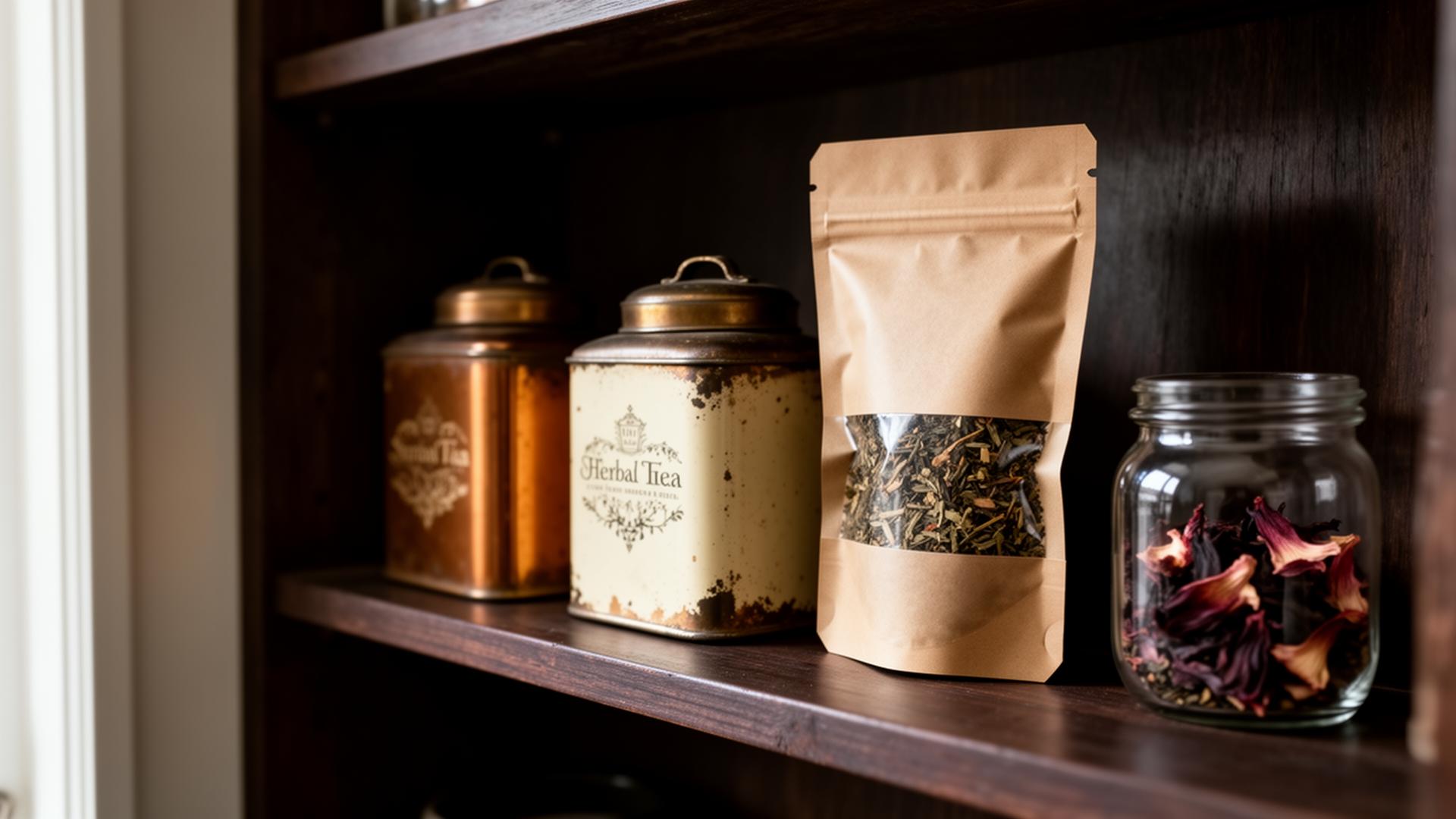
4. Resealable, opaque packaging
Light, air and moisture are the three enemies of dried herbs. Clear bags or loose flaps mean the tea has already started to fade by the time it reaches you.
5. Direct-to-consumer over big marketplaces
Buying from a small-batch brand means fewer middlemen, fresher stock and a real team that answers questions about each lot.
6. Trust your senses
Open the tin and smell. Real organic loose-leaf tea should smell alive — floral, herbal, sharp, sweet. If it smells dusty or like nothing at all, it probably is.
Best places to buy organic loose-leaf tea in India — compared
| Where | Best for | Watch out for |
|---|---|---|
| Direct-to-consumer brands (e.g. Growterra) | Small-batch, single-origin teas with traceable sourcing | Smaller catalogues — pick brands that publish ingredients and farm info |
| Specialty tea boutiques | Curated estate teas and rare blends | Higher prices; not always certified organic |
| Online marketplaces (Amazon / Flipkart) | Convenience and quick delivery | Old stock, third-party sellers, repackaged supermarket tea |
| Supermarket aisles | Everyday black/green tea | Mostly dust-grade, rarely certified organic, weak aroma |
| Farmers' markets / local fairs | Truly fresh small-batch finds | Inconsistent availability, no resealable packaging |
Our small-batch picks (and what they cost)
If you'd like to skip the comparison work, here are our three caffeine-free wellness teas. Each is 100% single-ingredient (or a clean two-ingredient pair), whole-leaf, packed in resealable kraft pouches, and shipped within days of being milled.
Red flags to walk away from
Vague ingredient lists ('natural flavour', 'herbal blend'), generic plastic pouches, prices that look too good to be true for 'organic', and brands that won't tell you who grew the leaves. These are not where good tea lives.
Final word
Good organic loose-leaf tea in India is absolutely out there. You just have to read past the marketing — read the ingredients, look at the packaging, and trust your nose. The cup will tell you the truth.
Hibiscus Wellness Tea
Ruby-red, antioxidant-rich · 50g
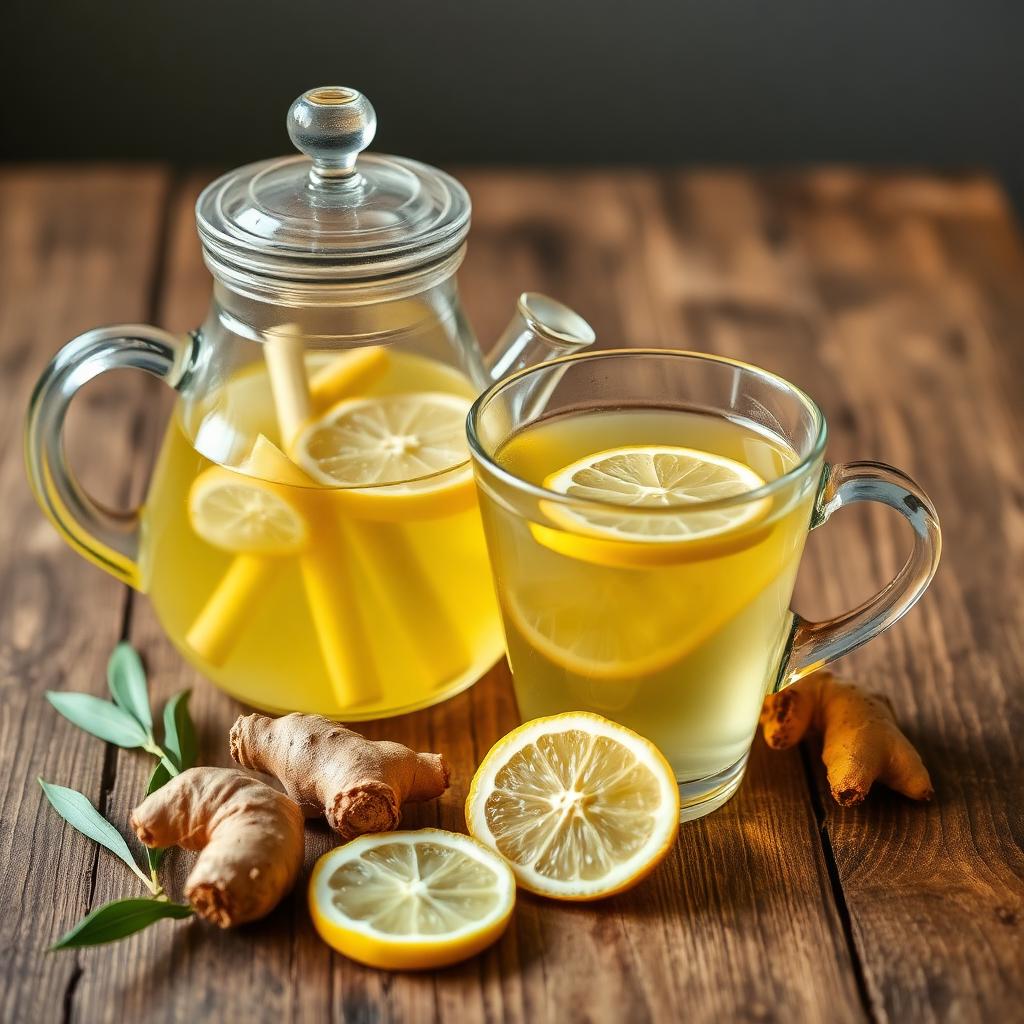
Shop now →Shop the storyMoringa Ginger Wellness Tea
Earthy, immunity-supporting · 50g
Shop now →Frequently asked questions
Where can I buy organic loose-leaf tea in India online?+
Direct-to-consumer brands like Growterra Organics ship whole-leaf, single-ingredient teas in resealable pouches across India. Specialty tea boutiques and curated marketplaces are good alternatives — avoid generic supermarket and unverified marketplace listings.
How do I know if a loose-leaf tea is genuinely organic?+
Look for India Organic or USDA Organic certification, a clear single-line ingredient list, and a named farm or sourcing region. Vague language like 'natural flavours' or 'tea blend' is a red flag.
Is loose-leaf tea better than tea bags?+
Generally yes. Loose-leaf teas use whole leaves or flowers that retain aroma and essential oils; most tea bags use fine 'dust' that brews quickly but loses character.
How long does loose-leaf herbal tea stay fresh?+
Most whole-leaf and whole-flower teas stay at their best for 9–12 months in airtight, opaque packaging, away from light and moisture.
Which is the best organic herbal tea brand in India for beginners?+
Start with a single-ingredient tea like hibiscus or a clean two-ingredient blend like moringa ginger. Growterra's wellness tea range is small-batch, caffeine-free and packed in resealable pouches.
Slow wellness, in your inbox
Get The 7-Day Botanical Reset — free wellness guide — plus monthly rituals, recipes and quiet product notes. No spam, unsubscribe any time.